The Best
About this property
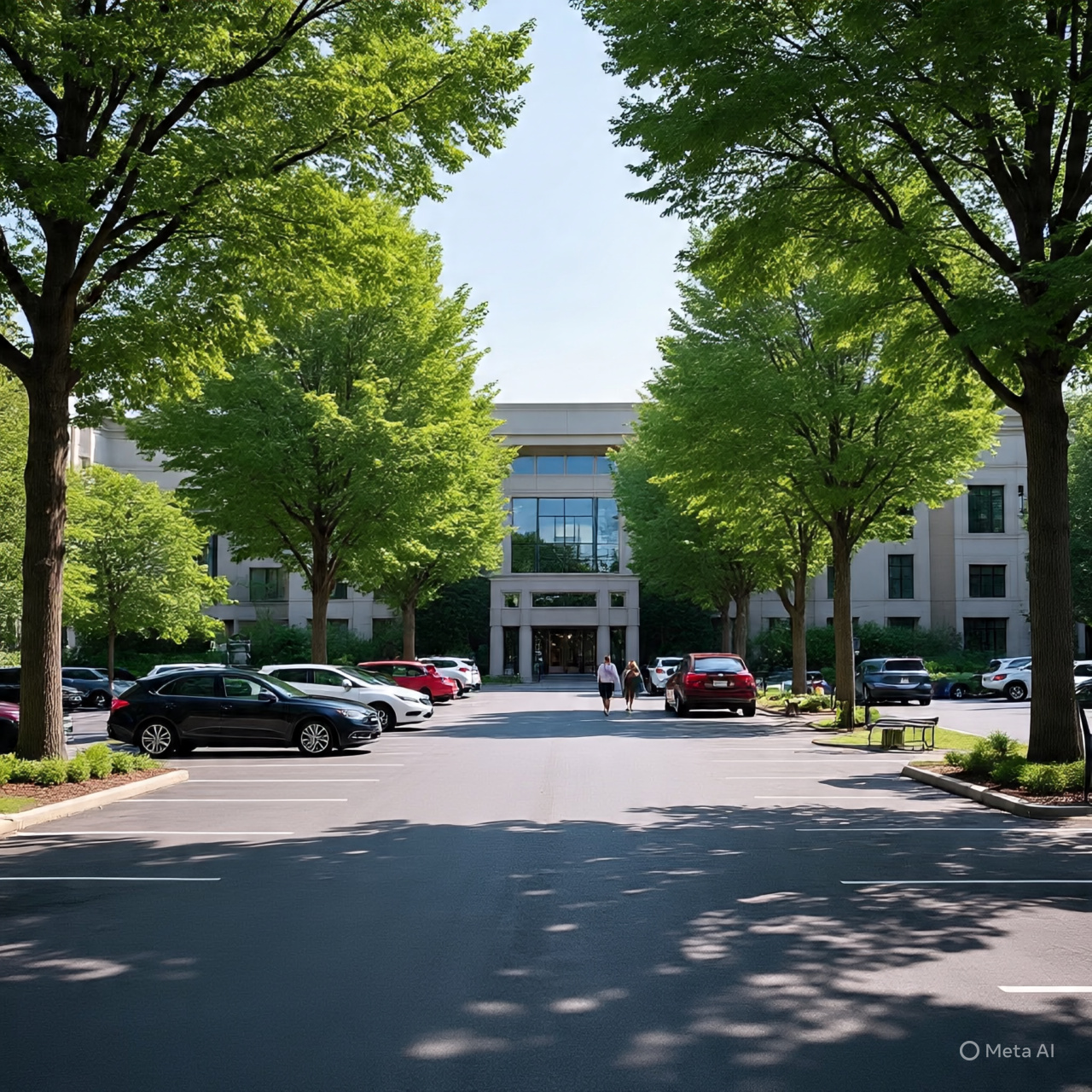
**Discover the Ultimate Luxury at The Best: Unmatched Apartment Living in Ikeja** Imagine waking up every morning in a serene and tranquil environment, surrounded by lush greenery and breathtaking... **Discover the Ultimate Luxury at The Best: Unmatched Apartment Living in Ikeja** Imagine waking up every morning in a serene and tranquil environment, surrounded by lush greenery and breathtaking views. Envision a home that not only provides you with the utmost comfort and convenience but also serves as a hub for endless possibilities. Welcome to The Best, a magnificent 5-bedroom apartment located at 2, Oke-nla street, Ikeja, the heart of Lagos's business hub. **Unique Features and Amenities** The Best is more than just a spacious apartment; it's an oasis of luxury and sophistication. This stunning property boasts an array of unique features and amenities that set it apart from other apartments in the area. Upon entering the apartment, you'll be greeted by a spacious open-plan living area, perfect for entertaining friends and family. The sleek and modern kitchen is fully equipped with top-of-the-line appliances, making cooking and dining an absolute delight. One of the standout features of The Best is its expansive private balcony, offering breathtaking views of the surrounding landscape. Imagine sipping your morning coffee or enjoying a romantic dinner under the stars in the midst of serene natural beauty. This private sanctuary is the perfect escape from the hustle and bustle of city life. **Location Benefits and Accessibility** The Best is strategically located in the heart of Ikeja, putting you at the forefront of Lagos's business and entertainment scene. The apartment is within walking distance to major landmarks such as the Ikeja City Mall, a shopping and entertainment complex that offers a wide range of stores, restaurants, and movie theaters. Additionally, the Ikeja General Hospital, one of the largest and most respected hospitals in West Africa, is just a stone's throw away. The property is also easily accessible by car, with several major highways and roads connecting Ikeja to other parts of the city. For those who prefer to use public transportation, the Ikeja Bus Stop is just a short walk away, providing easy access to various parts of the city. **Comfort, Convenience, and Value** At The Best, comfort, convenience, and value come together to create an unparalleled living experience. The apartment is tastefully furnished with high-end furniture and appliances, ensuring that you feel right at home from the moment you step in. The property is also equipped with a state-of-the-art security system, providing peace of mind for you and your loved ones. One of the most significant benefits of living at The Best is its proximity to top-notch schools, including the University of Lagos and the Lagos State University. Parents can rest assured that their children are within walking distance of excellent educational institutions, making it an ideal location for families. **Conclusion** The Best is a rare gem in the heart of Ikeja, offering a unique blend of luxury, comfort, and convenience. This stunning 5-bedroom apartment is not just a place to live; it's an experience that will elevate your lifestyle and exceed your expectations. Whether you're a busy professional, a growing family, or an individual seeking a luxurious retreat, The Best is the ultimate destination for you. Don't miss out on this opportunity to reside in one of the most sought-after properties in Lagos. Contact us today to schedule a viewing and discover the ultimate in apartment living. **Property Details** - Location: 2, Oke-nla street, Ikeja - Property Type: 5-bedroom apartment - Size: Approximately 4,000 square feet - Amenities: Private balcony, modern kitchen, open-plan living area, state-of-the-art security system - Location Benefits: Walking distance to Ikeja City Mall, Ikeja General Hospital, and major highways - Contact Information: [Insert phone number and/or email address] for viewing and inquiries.
Available Rooms
Selected Rooms
₦
₦
Available Rooms
Select your perfect accommodation
Standard Room
#101Amenities:
Complete Your Booking
Property Amenities
Policies
Establishing a Balanced Cancellation Policy for Your Rental Property: A Guide
As a property owner, crafting a cancellation policy that protects both your interests and those of your tenants is crucial for maintaining a positive and respectful relationship. A well-written cancellation policy is essential for preventing disputes and ensuring a smooth tenancy. In this article, we will walk you through the steps to create a clear, fair, and legally compliant cancellation policy for your rental property.
**Setting the Foundation: Clear and Easy-to-Understand Terms**
A well-structured cancellation policy begins with clear and concise language. Use simple and straightforward language to ensure that your policy is easily understood by all parties involved. Avoid using technical jargon or complex terminology that may confuse your tenants. Instead, focus on creating a policy that is transparent and easy to follow.
**Fair and Reasonable Conditions**
A fair and reasonable cancellation policy should balance the interests of both the property owner and the tenant. Consider the following key principles when drafting your policy:
- **Notice Period**: Specify a reasonable notice period for cancellations, which allows both parties time to adjust to the change.
- **Cancellation Fees**: Establish a fair cancellation fee structure that takes into account the property owner's potential losses.
- **Exceptions**: Clearly outline any exceptions to the cancellation policy, such as natural disasters or unforeseen circumstances.
**Legally Compliant and Professional**
To ensure that your cancellation policy complies with relevant laws and regulations, consider the following:
- **State and Local Laws**: Familiarize yourself with local and state laws governing rental agreements and cancellations.
- **Industry Standards**: Adhere to industry standards and best practices for cancellation policies.
- **Professional Language**: Use professional and respectful language throughout your policy.
Creating a Professional and Fair Refund Policy for Rental Properties: A Guide for Property Owners and Tenants
As a property guest or tenant, navigating the complexities of a rental agreement can be daunting. One of the most critical components of a smooth and stress-free experience is a clear and fair refund policy. Not only does it protect your interests, but it also sets the tone for a professional and mutually respectful relationship between property owner and tenant. In this guide, we will walk you through the key elements of crafting a comprehensive and legally compliant refund policy that benefits both parties.
**Section 1: Clear and Easy to Understand Terms**
A well-written refund policy should be concise, yet comprehensive in its explanation of the conditions and procedures. To achieve this, consider the following best practices:
- Use simple language and avoid jargon or technical terms that may confuse your audience.
- Break down complex information into easily digestible sections or paragraphs.
- Provide clear definitions for key terms and concepts.
**Section 2: Fair and Reasonable Conditions**
A fair refund policy balances the interests of both the property owner and tenant. To achieve this, consider the following principles:
- Ensure that the refund policy is based on a clear understanding of the rental agreement and the terms of the stay.
- Establish a fair and transparent procedure for handling disputes or issues related to refunds.
- Provide adequate notice and communication to both parties in the event of a refund.
**Creating Fair and Professional Booking Conditions for Rental Properties**
As a prospective tenant or renter, navigating the terms and conditions of a rental property can be a daunting task. Unclear or unfair booking conditions can lead to disputes, unexpected fees, and a negative experience. On the other hand, property owners want to protect their investment and ensure a smooth rental process. In this guide, we will walk you through the steps to create professional and fair booking conditions that benefit both parties.
**Clear and Easy to Understand Terms**
1. **Define Essential Details**: Clearly outline the property's features, location, and availability.
2. **Use Simple Language**: Avoid using complex terminology or jargon that may confuse potential tenants.
3. **Be Transparent**: Disclose any additional fees, charges, or requirements upfront.
4. **Use a Standardized Format**: Use a concise and easy-to-read format, such as a checklist or bullet points.
**Fair and Reasonable Conditions**
1. **Set Realistic Expectations**: Clearly outline the property's condition, amenities, and any limitations.
2. **Establish Clear Boundaries**: Specify quiet hours, guest policies, and any other rules or guidelines.
3. **Be Flexible**: Consider offering flexible check-in and check-out times or longer minimum stay options.
4. **Fair Compensation**: Clearly outline the payment terms, including security deposits and refunds.
**Legally Compliant and Professional**
1. **Consult Local Laws and Regulations**: Familiarize yourself with local rental laws, zoning regulations, and health standards.
2. **Use a Standard Rental Agreement**: Utilize a recognized rental agreement template to ensure compliance.
3. **Disclose Known Issues**: Clearly outline any known issues, such as pest infestations or water damage.
4. **Establish a Procedure for Disputes**: Outline a clear process for addressing any issues or concerns.